
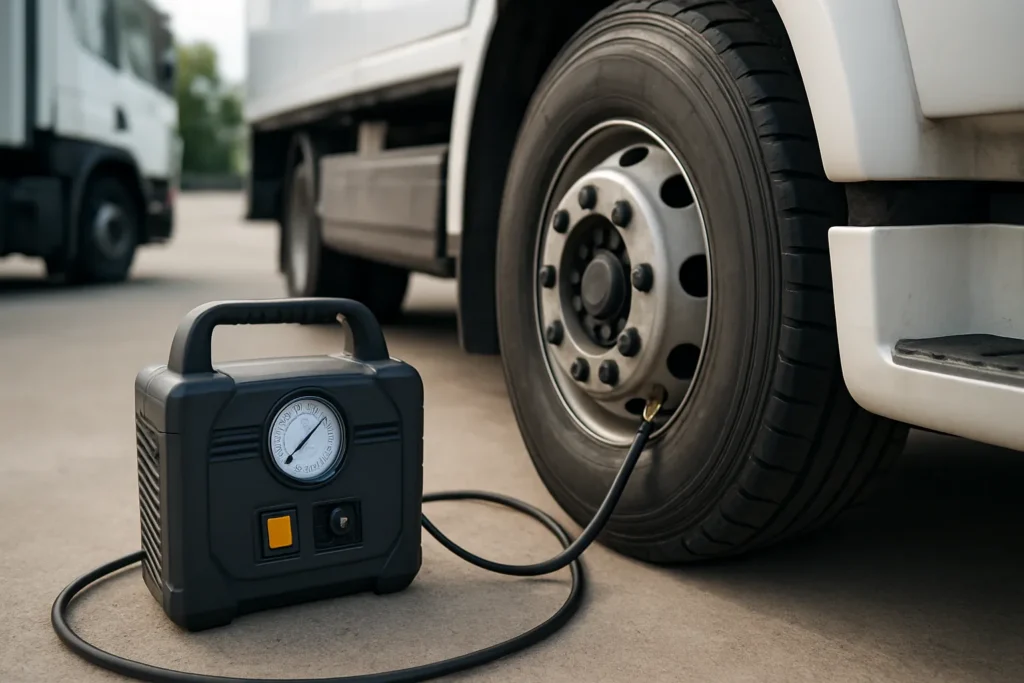
Maximizing Efficiency with High-Power Tire Inflators for Fleet Management
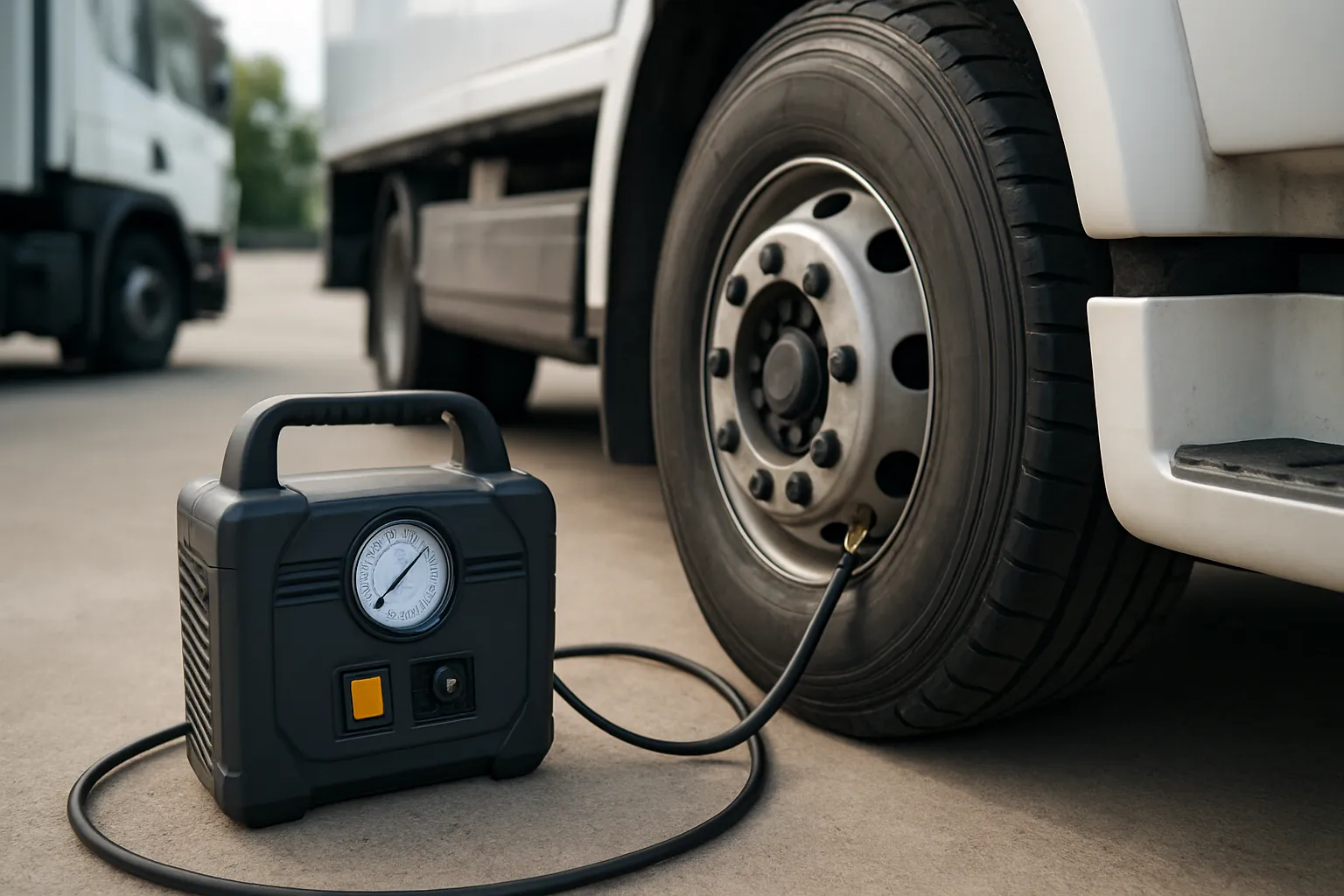
Introduction to High-Power Tire Inflators
In the fast-paced world of fleet management, efficiency is crucial. One essential piece of equipment that significantly enhances operational efficiency is the high-power tire inflator. These devices are specifically designed to inflate tires quickly and effectively, ensuring that vehicles remain in optimal condition. Maintaining proper tire pressure with high-power tire inflators is vital; it directly affects fuel efficiency, vehicle safety, and overall performance. As fleet managers strive to meet demanding operational standards, high-power tire inflators become a vital automotive accessory that aids in achieving these goals. The use of high-power tire inflators ensures that fleet vehicles are always road-ready, minimizing downtime and enhancing productivity.
Fleet management encompasses a broad range of responsibilities, including vehicle maintenance, safety checks, and cost management. High-power tire inflators address these needs by providing a reliable solution for maintaining tire pressure across various vehicle types. With the right inflator, fleet managers can ensure that their vehicles are always road-ready, minimizing downtime and enhancing productivity.
Key Specifications of High-Power Tire Inflators
When selecting a high-power tire inflator, several key specifications should be considered to ensure optimal performance:
- PSI Ratings and Performance: The pressure rating of a tire inflator, measured in pounds per square inch (PSI), is crucial. A high-power tire inflator should ideally have a PSI rating of at least 100 PSI, allowing it to inflate a variety of tire sizes quickly. Performance can vary significantly between models, so it is essential to choose one that meets your fleet’s demands.
- Power Source Options: High-power tire inflators can be powered by different sources, including AC power, DC power (from a vehicle’s battery), or rechargeable batteries. Fleet managers should consider the primary use cases when selecting a power source. For instance, inflators that can plug into a vehicle’s power outlet are ideal for on-the-go servicing, while those with AC power capabilities are better suited for garage environments.
- Portability and Size Considerations: The size and weight of the inflator can affect its usability. Portable models are beneficial for roadside assistance, while larger, more powerful inflators may be better suited for workshop settings. Fleet managers should evaluate the space available in their vehicles and facilities to make an informed decision.
Use Cases in Fleet Management
High-power tire inflators serve multiple purposes within fleet management:
- Routine Maintenance and Safety Checks: Regular tire pressure checks are essential for vehicle safety and efficiency. High-power tire inflators enable fleet personnel to perform these checks quickly, ensuring that all vehicles operate within safe pressure parameters. This proactive maintenance can prevent tire blowouts and improve fuel economy.
- Emergency Situations and Roadside Assistance: When a tire goes flat, the ability to quickly inflate it can make a significant difference in minimizing downtime. High-power tire inflators are invaluable in emergency situations, allowing fleet vehicles to return to the road swiftly. This capability not only saves time but also reduces potential losses associated with delays.
- Cost Savings and Time Efficiency: By investing in high-power tire inflators, fleet managers can realize considerable cost savings. Properly inflated tires lead to better fuel efficiency, reducing overall fuel expenses. Additionally, the time saved during maintenance and emergency situations translates into increased productivity for the fleet.
Comparing High-Power Tire Inflators
When considering high-power tire inflators, it is essential to compare different brands and models to find the best fit for your fleet’s needs:
- Top Brands and Models: Some of the leading manufacturers of high-power tire inflators include DEWALT, Viair, and Slime. Each brand offers unique features and capabilities that cater to various fleet requirements.
- Features and Benefits Comparison: Key features to compare include inflation speed, ease of use, and additional functionalities such as built-in pressure gauges or automatic shut-off. Understanding these features helps fleet managers choose an inflator that enhances operational efficiency.
- Price Range Analysis: High-power tire inflators are available across a wide price range, from budget-friendly options to high-end models with advanced features. Fleet managers should consider their budget while also evaluating the long-term benefits of investing in a more robust model.
Sourcing High-Power Tire Inflators
Choosing the right source for purchasing high-power tire inflators is crucial for fleet managers:
- Where to Buy: Retail vs. Online: Fleet managers can purchase inflators from local automotive supply stores or online retailers. While retail stores may offer the advantage of immediate availability, online platforms often provide a broader selection and competitive pricing.
- Evaluating Supplier Reliability: It is essential to source inflators from reputable suppliers. Checking customer reviews, warranty offerings, and return policies can help ensure that the chosen supplier is reliable and trustworthy.
- Bulk Purchase Considerations: For larger fleets, purchasing high-power tire inflators in bulk can lead to significant savings. Negotiating with suppliers for bulk discounts can further enhance cost efficiency.
Implementation Strategies for Fleet Managers
To maximize the benefits of high-power tire inflators, fleet managers should consider the following implementation strategies:
- Training Staff on Usage: Proper training ensures that all staff members understand how to operate the inflators safely and effectively. This training should include safety protocols and routine maintenance checks for the inflators themselves.
- Integrating with Maintenance Schedules: Incorporating tire inflation checks into regular maintenance schedules can streamline operations. By ensuring that tire pressure checks are part of routine vehicle inspections, fleet managers can enhance safety and efficiency.
- Monitoring and Evaluating Performance: Regularly assessing the performance of tire inflators can help fleet managers identify any issues early on. Monitoring tire pressure data and inflator usage can provide insights into the overall effectiveness of the tools in maintaining fleet efficiency.
Frequently Asked Questions
- Common Concerns About High-Power Tire Inflators: Fleet managers often worry about the durability and reliability of inflators. Choosing models with good warranties and positive reviews can alleviate these concerns.
- Maintenance Tips for Longevity: To extend the lifespan of high-power tire inflators, regular cleaning and proper storage are recommended. Ensuring that the inflator is free from debris and moisture can prevent damage.
- Warranty and Support Information: Understanding the warranty and support options available for high-power tire inflators is essential. Fleet managers should keep this information accessible to facilitate any necessary repairs or replacements.
Conclusion
High-power tire inflators are indispensable tools in the realm of fleet management. By ensuring that vehicles maintain optimal tire pressure, these inflators contribute to enhanced safety, efficiency, and cost savings. Fleet managers who invest in high-quality tire inflators and implement effective strategies for their use will find themselves better equipped to meet the demands of their operations. As the automotive industry continues to evolve, embracing innovative automotive accessories like high-power tire inflators will be key to maximizing fleet performance.