
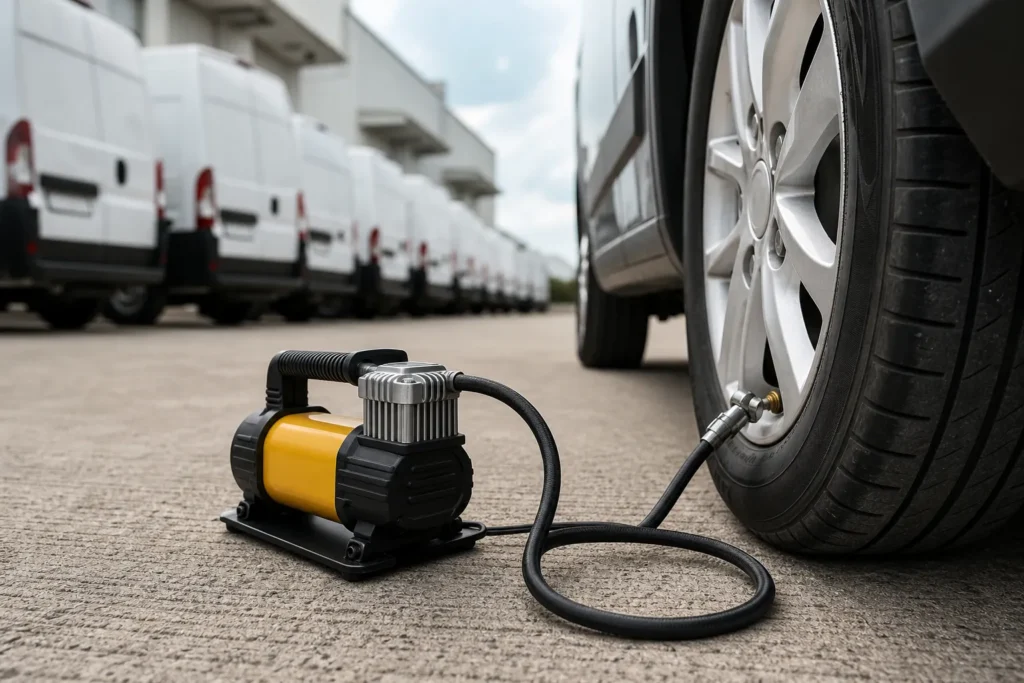
The Essential Guide to Choosing Car Air Pumps for Fleet Management
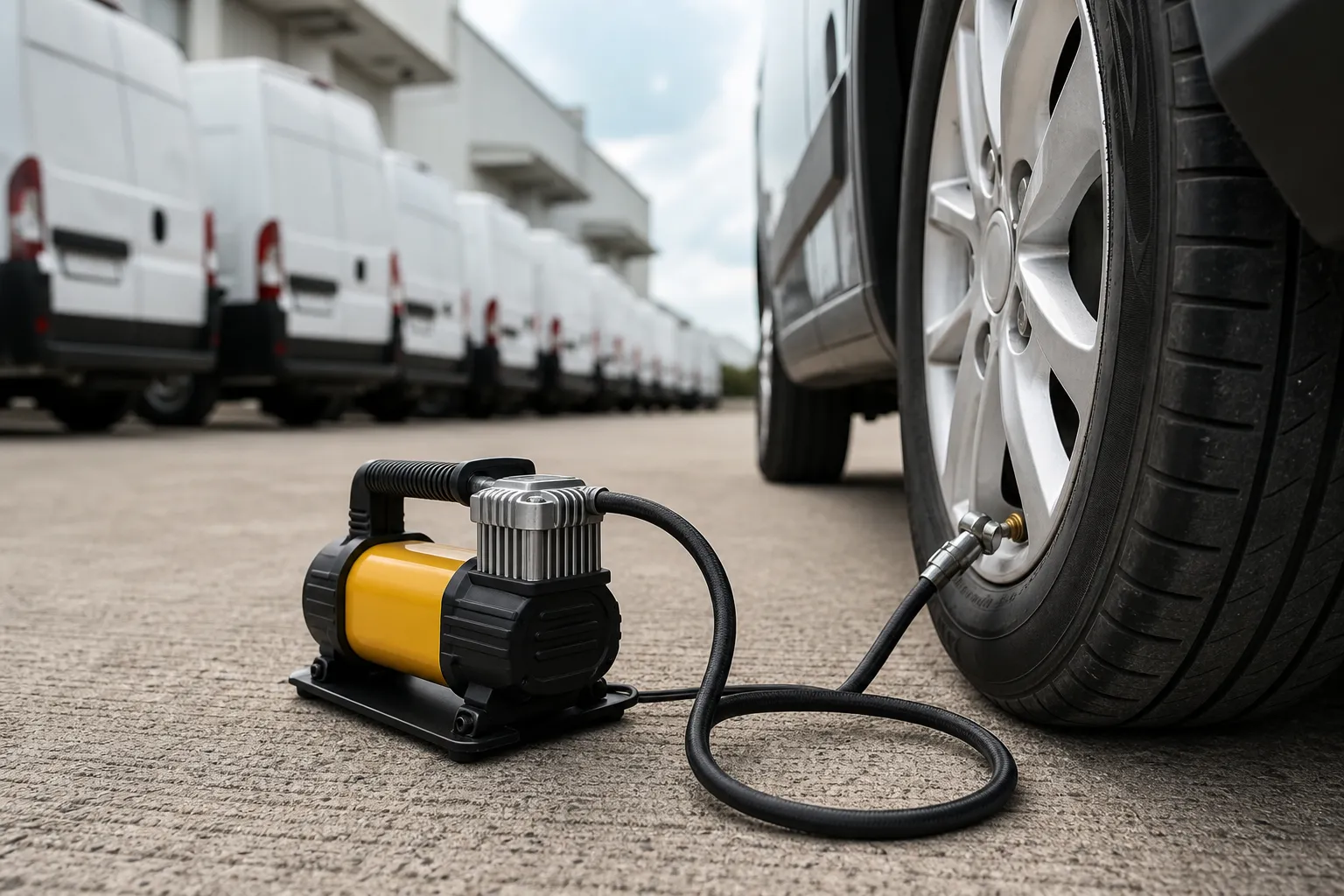
In the realm of fleet management, ensuring optimal vehicle performance is crucial. One key component that often goes unnoticed is the car air pump. These devices are vital for maintaining proper tire inflation, which directly influences fuel efficiency, tire lifespan, and overall vehicle safety. As fleets expand, the necessity for dependable and efficient car air pumps grows even more significant. This guide aims to streamline the purchasing process, empowering fleet managers to select the best car air pump tailored to their needs.
Specifications to Consider
When it comes to choosing a car air pump, several specifications must be assessed to ensure the device aligns with your fleet’s requirements.
- Pressure and Volume Ratings: The pressure rating is vital as it defines how much air the pump can deliver and at what pressure. For most vehicles, a pump with a maximum pressure of 30-150 PSI works perfectly. Additionally, consider the volume rating, which indicates the speed at which the pump can inflate a tire. A higher volume rating translates to faster inflation times.
- Power Source Options: Car air pumps can be powered in multiple ways: through a car’s 12V outlet, via a rechargeable battery, or by plugging into a standard wall outlet. For fleet operations, a 12V pump is often the most practical option, allowing for direct use in vehicles without additional power sources.
- Portability and Size: Given the nature of fleet operations, portability is key. A compact and lightweight pump can be easily stored and transported as needed. It’s essential to assess the size of the pump to ensure it fits comfortably in your fleet vehicles without occupying valuable space.
Use Cases for Car Air Pumps
Understanding the various scenarios in which car air pumps can be utilized is critical for fleet managers.
- Routine Maintenance: Regular tire inspections and inflation are crucial for vehicle performance. A car air pump allows fleet managers to address under-inflated tires quickly, minimizing the risk of blowouts and enhancing fuel efficiency.
- Emergency Situations: In cases of flat tires or air loss, having a car air pump ready can be invaluable. It empowers drivers to inflate tires on the spot, reducing downtime and ensuring that vehicles can return to service swiftly.
- Seasonal Considerations: Seasonal changes can greatly impact tire pressure. For instance, cold weather can lead to lower tire pressure, while heat can cause it to rise. A reliable car air pump guarantees that your fleet’s vehicles are always road-ready, regardless of the season.
Comparing Different Models
With a plethora of models available, it’s essential to compare their features and benefits to find the best fit for your fleet.
- Top Brands in the Market: Some leading brands in the car air pump market include Viair, Slime, and EPAuto. Each brand provides a range of models designed for various needs, from compact pumps for personal use to heavy-duty options for professional fleets.
- Features and Benefits Comparison: When evaluating models, consider features such as automatic shut-off, built-in pressure gauges, and LED lights. These enhancements can add convenience and safety, making the pump easier to use in different conditions.
- Price Range Analysis: Car air pumps can vary significantly in price, typically ranging from $20 to $150 or more. While budget is a consideration, investing in a reliable pump can save costs in the long run by reducing maintenance issues and downtime.
Sourcing and Bulk Purchasing
When it’s time to equip your fleet with car air pumps, sourcing and bulk purchasing can offer substantial advantages.
- Finding Reliable Suppliers: Research suppliers specializing in automotive accessories with a solid reputation in the industry. Look for those offering warranties and customer support to guarantee a sound investment. For instance, you can explore options at PowerTiger’s product offerings.
- Negotiating Bulk Purchase Discounts: Many suppliers are open to negotiating discounts for bulk purchases, leading to significant savings, especially when outfitting a large fleet. Don’t hesitate to discuss your needs and explore pricing options.
- Evaluating Warranty and Support Options: A strong warranty can provide peace of mind, especially for bulk purchases. Ensure that the supplier offers reliable support and warranty options that cover potential defects or issues that may arise.
Implementation in Fleet Operations
After selecting the right car air pump, effective implementation is crucial for maximizing its benefits.
- Training Staff on Usage: Provide training for your drivers and maintenance staff on the proper use of car air pumps. This ensures that everyone is comfortable with the equipment and understands its importance in maintaining vehicle safety.
- Maintenance and Care Guidelines: Establish guidelines for the care and maintenance of the pumps. Regular checks and proper storage will extend the equipment’s life and ensure it’s always ready for use.
- Integrating with Other Automotive Accessories: Consider how the car air pump fits into your overall fleet management strategy. Integrating it with other accessories, such as tire pressure monitoring systems, can enhance operational efficiency.
Frequently Asked Questions
As you navigate the selection and implementation of car air pumps, you may encounter common questions.
- Common Issues and Troubleshooting: Be prepared to address issues such as leaks or failure to inflate. Familiarize your team with troubleshooting steps to resolve these problems quickly.
- Best Practices for Storage: Store car air pumps in a cool, dry place to prevent damage. Ensure they are easily accessible in vehicles for emergency use.
- Recommendations for Specific Fleet Types: Different fleets may require different types of pumps. For example, a delivery fleet may benefit from compact, lightweight models, while a construction fleet may need heavy-duty options.
In conclusion, selecting the right car air pump for your fleet is a critical decision impacting vehicle performance, safety, and operational efficiency. By considering the specifications, use cases, and sourcing strategies outlined in this guide, fleet managers can make informed choices that enhance their fleet’s reliability and effectiveness.