
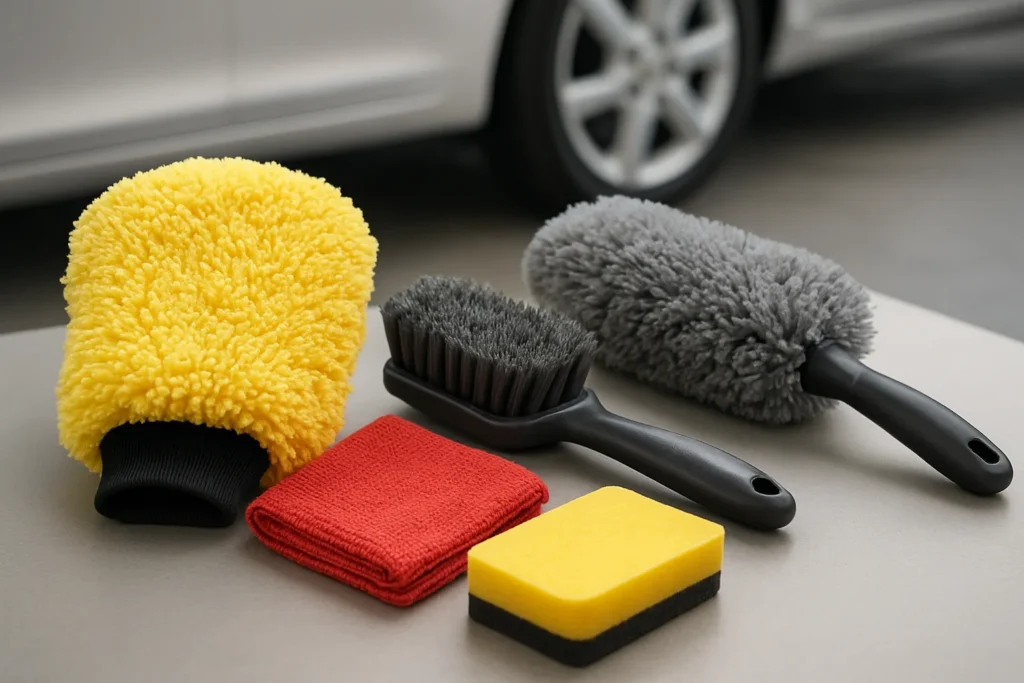
Why Durable Materials Matter in Automotive Cleaning Tools
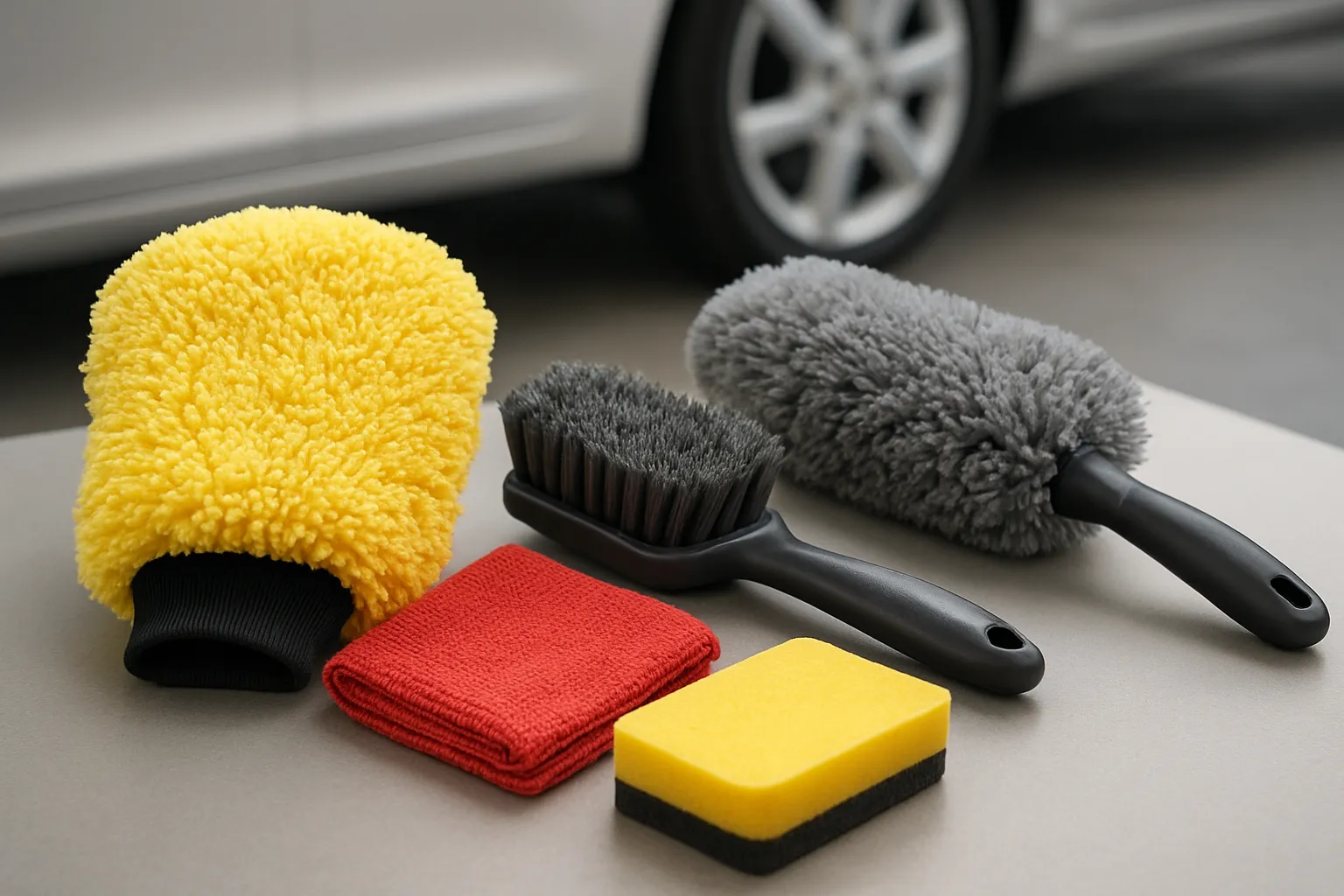
In the automotive industry, maintaining cleanliness is crucial. Automotive cleaning tools play a vital role in ensuring vehicles are not only visually appealing but also safe and functional. The quality of the materials used in these tools is of utmost importance; selecting the right materials can significantly affect the effectiveness, durability, and overall cost-efficiency of cleaning operations. Durable materials, in particular, are key as they can withstand rigorous use and harsh cleaning agents, ensuring that tools remain reliable over time.
In my experience, durable materials like high-grade plastics, stainless steel, and specialized fibers are increasingly being utilized in the production of automotive cleaning tools. These materials are engineered to endure the demanding conditions of automotive cleaning, providing businesses with tools that not only last longer but also perform better.
Specifications of Durable Materials
When evaluating the specifications of durable materials used in automotive cleaning tools, several common types stand out. High-density polyethylene (HDPE) is favored for its resistance to chemicals and impact, making it ideal for buckets and containers. Stainless steel is another popular choice, particularly for tools that require strength and corrosion resistance, such as scrubbers and brushes.
Key properties of these durable materials include:
- Chemical Resistance: Essential for tools exposed to various cleaning agents.
- Impact Resistance: Reduces the likelihood of breakage during use.
- Temperature Tolerance: Ensures tools can withstand hot water or steam cleaning.
- Ease of Cleaning: Allows for quick maintenance of the tools themselves.
The benefits of utilizing durable materials in automotive cleaning tools are manifold. They not only enhance the longevity of the tools but also contribute to more efficient cleaning processes, ultimately leading to cost savings for businesses.
Use Cases for Automotive Cleaning Tools
Automotive cleaning tools serve a wide range of applications, from professional detailing services to DIY enthusiasts. In professional settings, tools made from durable materials are essential for meeting industry standards and customer expectations. For instance, commercial car washes and detailing services rely on high-quality, durable cleaning tools to maintain efficiency and achieve superior results.
On the flip side, while DIY applications may not require the same level of durability, using high-quality tools can significantly enhance the cleaning experience and results. Additionally, different industries have unique requirements; for example, tools used in the aviation sector may need to meet stricter safety and cleanliness standards compared to those used in automotive contexts.
Comparing Durable Materials in Cleaning Tools
When investing in automotive cleaning tools, businesses often grapple with the dilemma of cost versus longevity. While durable materials may have a higher upfront cost, their extended lifespan can result in reduced replacement frequency and lower long-term expenses. For example, a stainless steel brush may cost more than a plastic one, but it will last significantly longer and perform better under rigorous cleaning conditions.
Performance metrics such as cleaning efficiency, resistance to wear and tear, and ease of use should be evaluated when comparing durable materials. Tools made from high-quality materials often outperform their cheaper counterparts, providing a better return on investment in the long run.
Sourcing Durable Automotive Cleaning Tools
When sourcing durable automotive cleaning tools, it is critical to evaluate suppliers. Businesses should seek manufacturers known for their commitment to quality and innovation. It is also essential to verify that suppliers adhere to industry certifications and standards, which can provide assurance regarding the durability and safety of the materials used.
Certifications such as ISO 9001 for quality management systems or specific automotive industry standards can indicate a supplier’s dedication to producing reliable and effective cleaning tools. Additionally, customer reviews and testimonials can offer valuable insights into the performance and durability of the tools provided by different manufacturers.
Implementation Strategies
Effectively implementing durable automotive cleaning tools requires training staff on their proper use and maintenance. Employees should be educated on the specific benefits of the materials used in these tools and how to maximize their effectiveness. Proper training can significantly reduce the risk of damage to both the tools and the vehicles being cleaned.
Establishing regular maintenance and care tips is also essential to prolong the life of cleaning tools. This includes routine inspections for wear and tear, proper cleaning after use, and appropriate storage techniques to prevent damage.
Frequently Asked Questions
What Makes a Material Durable? Durability in materials is determined by several factors, including resistance to wear, impact, and chemical exposure. High-quality materials are engineered to withstand harsh conditions without degrading, ensuring they remain effective over time.
How to Choose the Right Cleaning Tool? Choosing the right cleaning tool involves assessing the specific needs of the cleaning task, considering the types of materials that will be used, and evaluating the durability and performance of the tool. It is essential to select tools that align with the intended use and environmental conditions.
Conclusion
In the automotive industry, the significance of durable materials in cleaning tools cannot be overlooked. They offer enhanced performance and longevity, contributing to overall operational efficiency and cost savings. By understanding the specifications, use cases, and sourcing strategies for durable automotive cleaning tools, businesses can make informed decisions that lead to better cleaning results and satisfied customers. Investing in high-quality materials is not just a choice; it is a strategic move for success in the competitive automotive market.